‘We need more data to help us understand women’s bodies better’
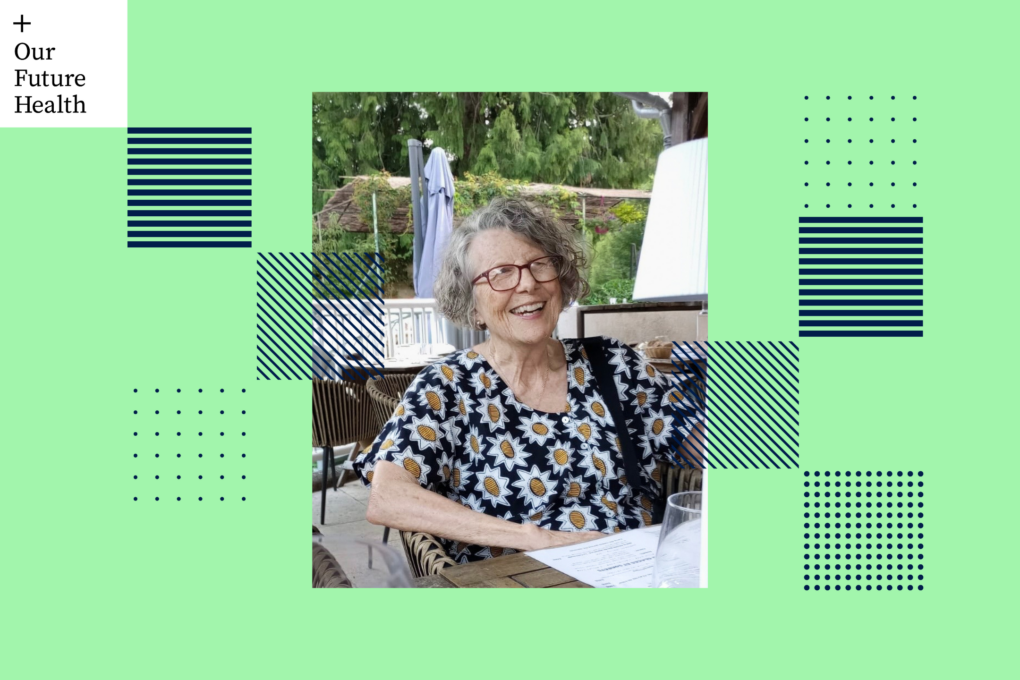
When Londoner Ruth Curson, 79, looks back at her career, she is filled with pride. As a gynaecologist who specialised in infertility, she helped numerous couples to conceive children. And working from a pioneering clinic at King’s College Hospital, she was witness to new discoveries and techniques that helped her field take a significant step forward.
“It was an extraordinary unit to work on,” says Ruth. “The clinic handled IVF, egg and sperm donation, and assisted ovulation for people struggling to conceive.
“We were the first in the country to perform egg collections via vaginal ultrasound and the first to advocate for sperm donors who were happy to be identified. There were all sorts of firsts in that clinic, which made it a really very exciting place to work.”
Now retired, Ruth continues to take a keen interest in healthcare, particularly women’s health. Her recent diagnosis of osteoporosis served as a reminder that women are more likely to suffer from certain conditions, so need tailored help.
She says her desire to understand more about women’s bodies and how to treat them compelled her to sign up as an Our Future Health volunteer. “It’s an area where I believe Our Future Health has the potential to be powerful. I’m tremendously excited to be part of this programme.”
Oestrogen and bone health
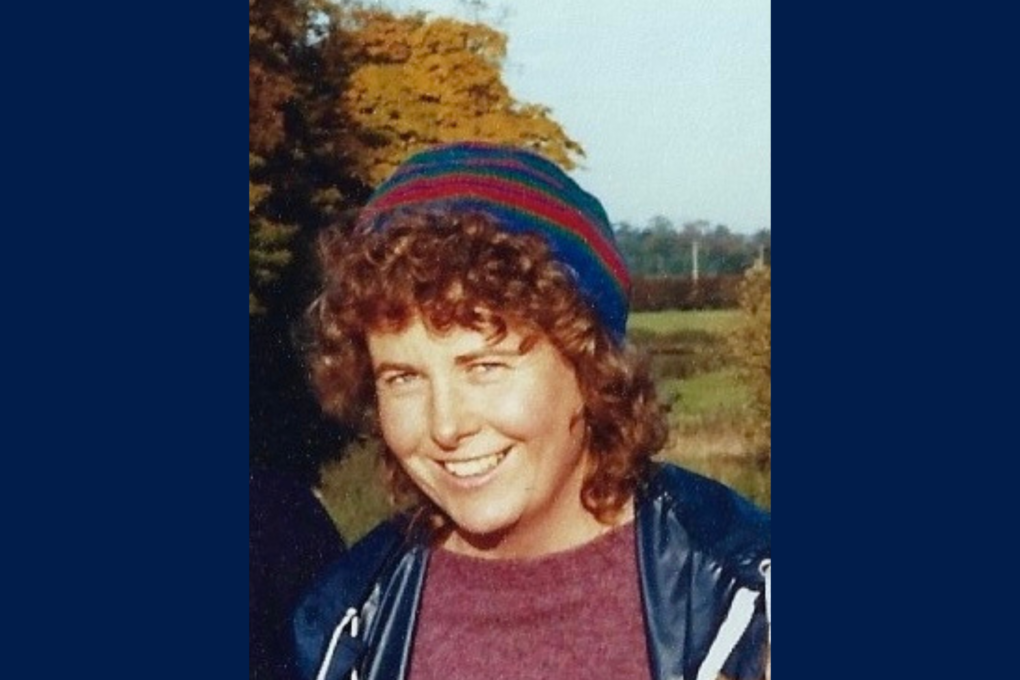
Osteoporosis is a condition where the bones become weaker and can break easily, even after minor bumps or falls.
The risk of developing the condition is much higher in perimenopausal or menopausal women, due to decreased oestrogen levels. Half of women over the age of 50 will break a bone as a result.
“I had a relatively early menopause, starting in my 40s, whereas the average age is around 52,” says Ruth. “This means I had a relatively long period without oestrogen protection.
Ruth says that today, someone in her situation would likely be offered hormone replacement therapy (HRT) – a treatment that was actually developed in part by people she worked alongside at King’s. However, when she was in her 40s, understanding of the treatment was still at an early stage.
“I decided against treatment. There were concerns about it increasing your risk of breast cancer (today we know that for most people, the benefits outweigh any risks). Also, I didn’t like the politics of HRT. It was presented as something that preyed on a woman’s anxiety about losing her youth.
“Looking back now, with my osteoporosis diagnosis, that decision may have been unwise. But at the time, the research to reassure me just wasn’t there.”
Living with osteoporosis
Alongside age, risk factors for osteoporosis include having a family history of the condition, being underweight, heavy drinking and smoking, leading an inactive lifestyle and long-term use of high dose steroid tablets.
“As well as having an early menopause, I had polymyalgia rheumatica, an autoimmune condition that’s treated with steroids. Steroids are a known cause of osteoporosis.
“When I began the steroids, I opted to have bone scans every two years to monitor my bones. For a long time, my results showed osteopenia – the stage of bone loss just before osteoporosis. However, this year’s scan showed definite osteoporosis.”
Ruth now gets an annual injection of zoledronic acid. She’ll have one per year for 3 years, and if the results are positive, the treatment will conclude.
Alongside medical treatments like zoledronic acid injections, regular exercise can help to strengthen the bones.
“I make time for regular walking and yoga,” says Ruth. “During a recent medical consultation, I learned that weight-bearing exercise is actually more effective than something like yoga for maintaining bone density, so I’m looking into joining a weightlifting class.
“I also believe everyone in the UK should be taking a daily dose of vitamin D, especially in the darker winter months, to help with calcium uptake and support their bone health.”
The future of health research
“In the past, I never really heard of any specific treatments for osteoporosis. Its prominence now is perhaps a sign that women’s health is beginning to be taken more seriously.
“Throughout my career, I’ve seen a general awakening to the fact that women’s health issues have been historically overlooked – from how the menstrual cycle affects drug uptake to the lack of female representation in clinical trials.
“I’d love to see a large-scale study using Our Future Health data to track a cohort of women over several decades. Before 1993, women were rarely included in clinical trials, so we’re still living with the impact of that on our health outcomes today.
“We need more longitudinal data on how women’s hormones affect their health and conditions like osteoporosis and endometriosis, which remain poorly understood.
“It’s also vital that other under-represented groups participate in health research – including people from minority ethnic groups, younger people, and people with lower incomes – so that we can all benefit from the cutting-edge research I believe will emerge as a result of Our Future Health.
“Ultimately, a man’s life and a woman’s life both have rhythms and I think we must learn to live with some of the realities of aging. We shouldn’t always be seeking to ‘turn back the clock’ as such, but I’d like us all to have equal choices and treatments, and a better understanding of our options at every stage of life. I hope Our Future Health helps us to achieve that.”
Royal Osteoporosis Society is an affiliate charity of Our Future Health. Visit theros.org.uk to learn more about osteoporosis and how they’re working to improve awareness and standards of care for the condition.

Let’s prevent disease together
By volunteering for Our Future Health, you can help health researchers discover new ways to prevent, detect and treat common conditions such as diabetes, cancer, heart disease, stroke and Alzheimer’s.