Catch up on our latest event from the East Midlands
Our Future Health’s Dr Raghib Ali and Fiona Maleady-Crowe were joined by public health researcher Dr Catherine John, from the University of Leicester, and volunteers from the East Midlands
Last week, we held a live Q&A event for Our Future Health volunteers who live in the East Midlands
The event was hosted by our Chief Executive and Chief Medical Officer, Dr Raghib Ali OBE and Chief Compliance and Integrity Officer, Fiona Maleady-Crowe. They were joined by Dr Catherine John, Associate Professor in Genetic Epidemiology and Public Health at the University of Leicestershire.
This was the fourth in a series of webinars, following our inaugural event in the West Midlands last year, and subsequent Q&A webinars in London and the Southeast.
More than 600 volunteers tuned in live to listen as our panel discussed the impact of Our Future Health on heath research. Since then, thousands of people have watched the recording on YouTube.
Thank you East Midlands
Raghib kicked off with a personal note as he stressed the incredible impact that health research can have on people’s lives.
“Growing up, one of my earliest memories was my father having an operation on his eye,” he said. “He had a condition called glaucoma which causes blindness, and by the time he was 50 he had lost his eyesight.”
As a heritable disease, Raghib explained that today, doctors would be able to detect glaucoma early and prevent blindness. And this he stressed, is what Our Future Health is all about – preventing, detecting, and better treating disease.
Since launching, back in 2022, more than 2.7 million volunteers have joined the programme, with 246,632 of those sign-ups coming from the East Midlands. The region is home to 60 of our 500 clinics.
“The East Midlands is important for us, and we thank our volunteers here for taking part,” said Raghib. “It’s a diverse region in terms of age, deprivation, and ethnicity, and when we look at the demographics, rates of obesity, heart disease, and hip fractures are all above the national average, but this is where our programme can make a difference.”
Size and diversity are key
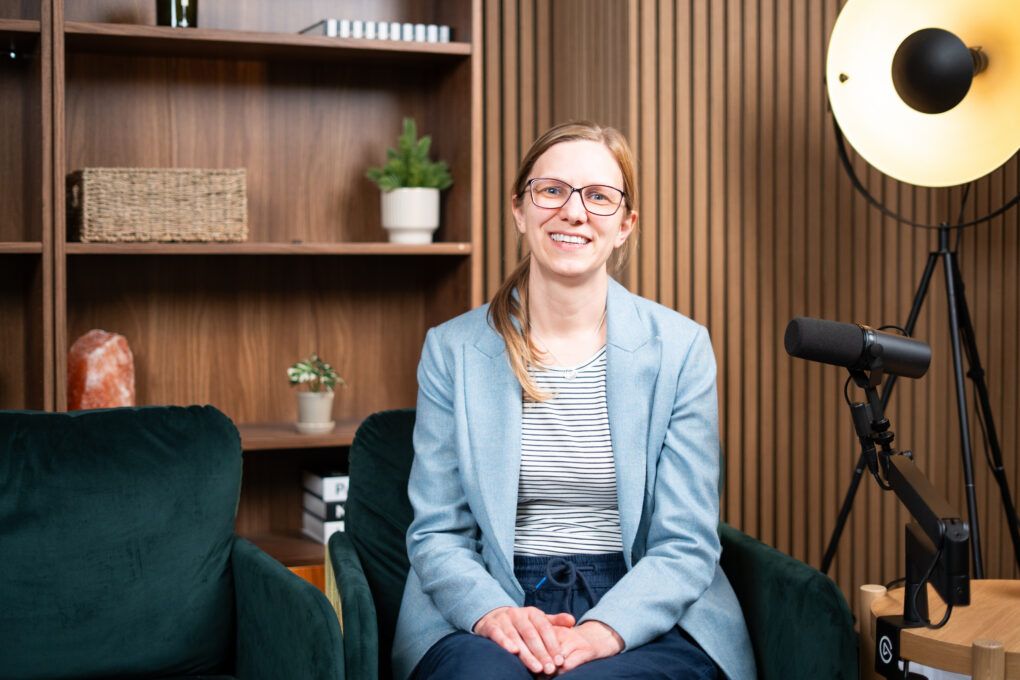
Viewers next had the opportunity to hear from Dr Catherine John, who specialises in research into lung disease at the University of Leicester. She spoke about her current study on COPD.
“COPD is a chronic lung condition that causes difficulty breathing and a nasty, chesty cough,” she said. “It can also cause flare-ups where breathing gets worse and someone might need urgent hospital care.
“Although smoking is the biggest cause of COPD in the UK, genetics play a part too, and my team is trying to identify why some people with COPD are more prone to flare-ups than others.
“To do this, we are using Our Future Health’s data to look at emergency admissions. We will then compare the DNA of those who have and haven’t been hospitalised with a flare-up to see if we can establish any patterns that might explain the difference.”
When asked by Fiona what had inspired her team to use Our Future Health data, Catherine’s response was clear.
“The size and scale of the programme is really important,” she said. “Differences in DNA are much more meaningful when you are working with a large group of people.
“The second factor is the diversity of Our Future Health’s volunteers. If you only examine the data of people from a certain part of the world, you’re missing vital information which could lead to new treatments, or quicker diagnoses.
“We know research that includes everyone will benefit everyone.”
Research in the pipeline
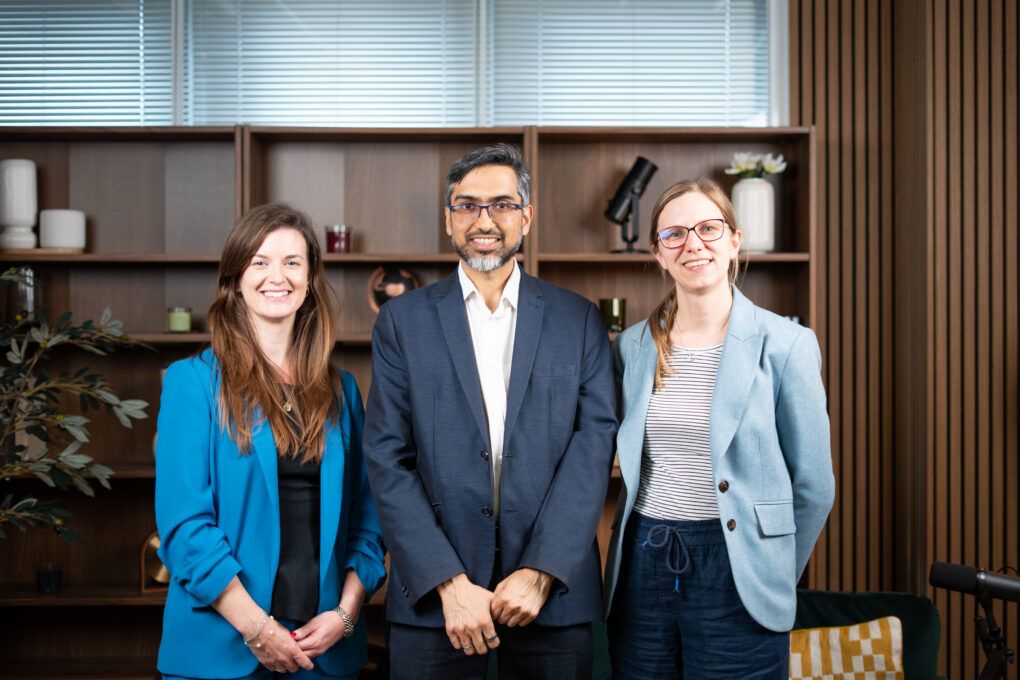
After hearing from Catherine, Raghib outlined how volunteer data is already helping with some key research studies. So far, Our Future Health’s access board has approved 75 studies, which touch on every area of health.
One study, from the University of Oxford, is looking at the the link between ethnicity and common cancers, which Raghib described as a crucial area of research.
“Black men are at double the risk of developing prostate cancer while people from South Asian populations are half as likely to get bowel cancer than White ethnic groups,” he said. “Genetics and environment play a part, but we need a better understanding of these differences.
He also zoomed in a on a study on a study on chronic liver disease. Researchers from Glasgow Caledonian University are trying to understand who is at more risk of developing a chronic liver disease.
“Prevalence of liver diseases have been rising in recent years,” said Raghib. “Obesity and alcohol are playing a part, but there are ethnic differences when it comes to risk too.”
What’s next?
Raghib told the audience that Our Future Health would help researchers answer key health questions over the coming decades.
“In the next 3 or 4 years, we’ll start making important discoveries about common conditions like heart disease, diabetes, dementia, as well as some cancers and mental health conditions,” he said.
“Once we get to 10 years, we can start looking at less common conditions like pancreatic cancer, Parkinson’s disease and multiple sclerosis, and beyond that, rare diseases.”
He concluded by saying that the ultimate mission of the project was to switch the focus of the healthcare system from sickness to prevention so that people could live in good health for longer.