Should under 18s be able to join Our Future Health? We talked to teenagers in Hackney to find out
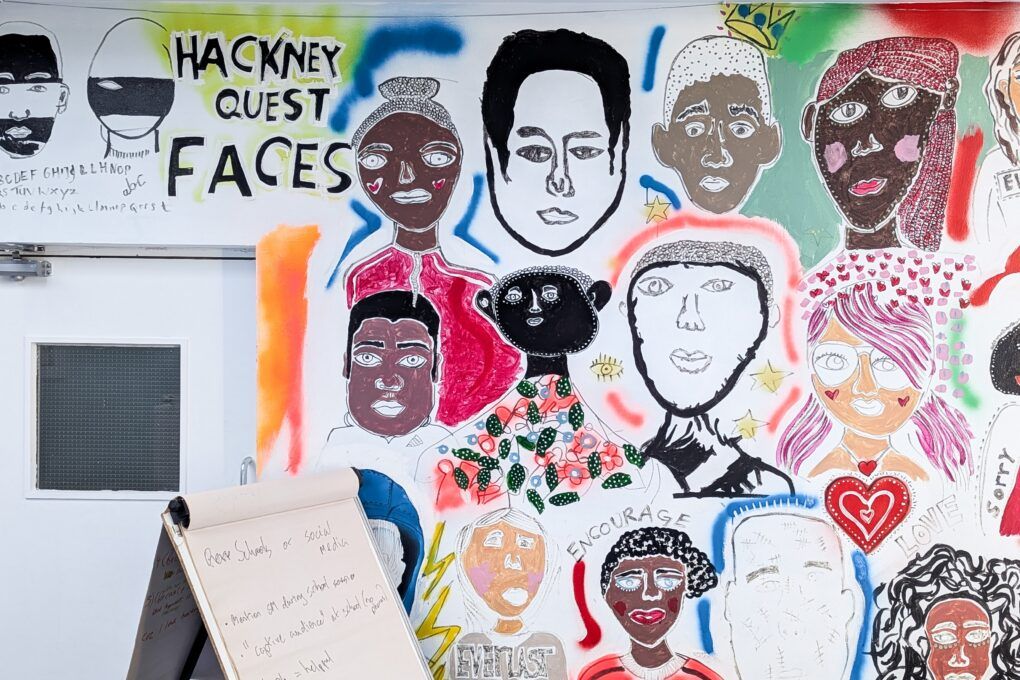
Health research and teenagers might not seem like an obvious pairing. But more than a dozen young people, aged 16 and 17, showed up to our recent workshop in Hackney to find out more about our programme and to share why they want their voices heard.
Despite the scorching heat, and it being a Saturday, the London teens were keen to learn about Our Future Health – and to help us learn about them.
Organised with the help of The Social Agency, Hackney Quest, Circle in Scotland, Swansea YMCA, and RCity, the event was the last in a series of 16 workshops with more than 40 young people across the UK.
Anyone over the age of 18, living in the UK, can currently join Our Future Health. However, we’re exploring whether to open recruitment to 16 and 17-year-olds too.
This idea went down well with our Hackney participants who shared why they would be keen to take part in our programme.
‘I’d be keen to join Our Future Health’
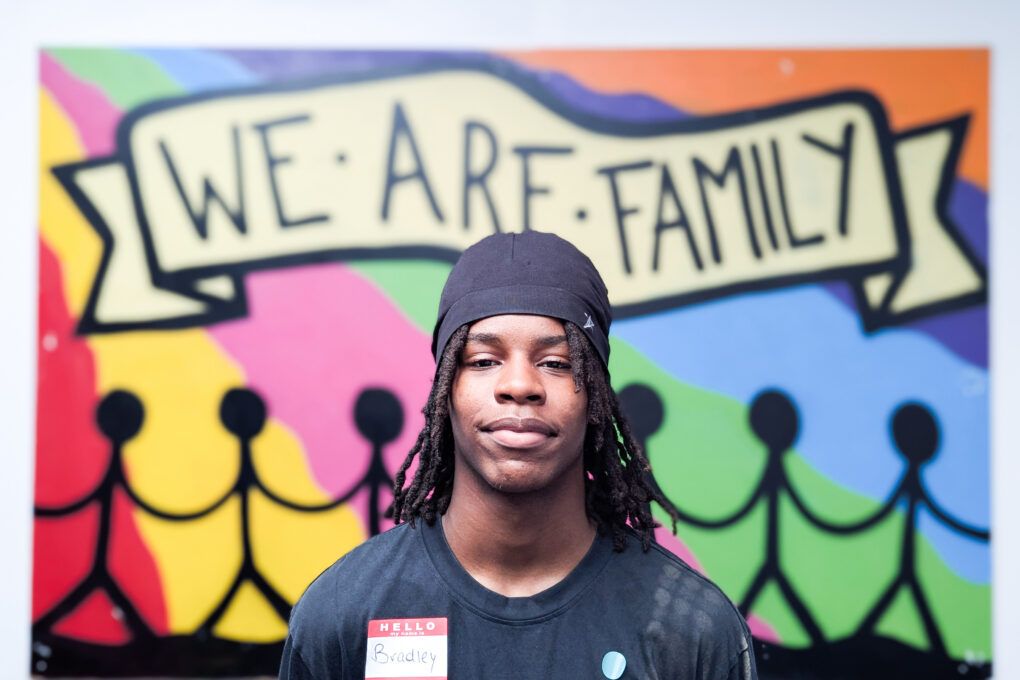
Student vice president Bradley, 17, said the Hackney workshop had been a useful eye-opener.
“Before this experience, when I thought about health research, I imagined a clinic or a big boardroom full of people wearing suits,” he said, laughing. “But this has been much more chilled and open. It’s made me feel comfortable sharing what I think.
“I’d be keen to join Our Future Health if it included 16 and 17-year-olds,” he added, providing it was easy enough to arrange an appointment. “If my nearest clinic was more than 30 minutes away from my house that would make me less likely to get involved.”
Bradley thought our research could be even more diverse if people his age could volunteer.
“Researchers should have health data about young Black people like me and my friends so we can learn more about our bodies and improve research into diseases, like sickle cell, for example,” he said.
“A lot of young people have things going on in their bodies, or potentially developing, so it would be good if we could learn about these early on.
“Not being able to join makes me feel like I’m being excluded from the data.”
‘It’s human nature to want to help’
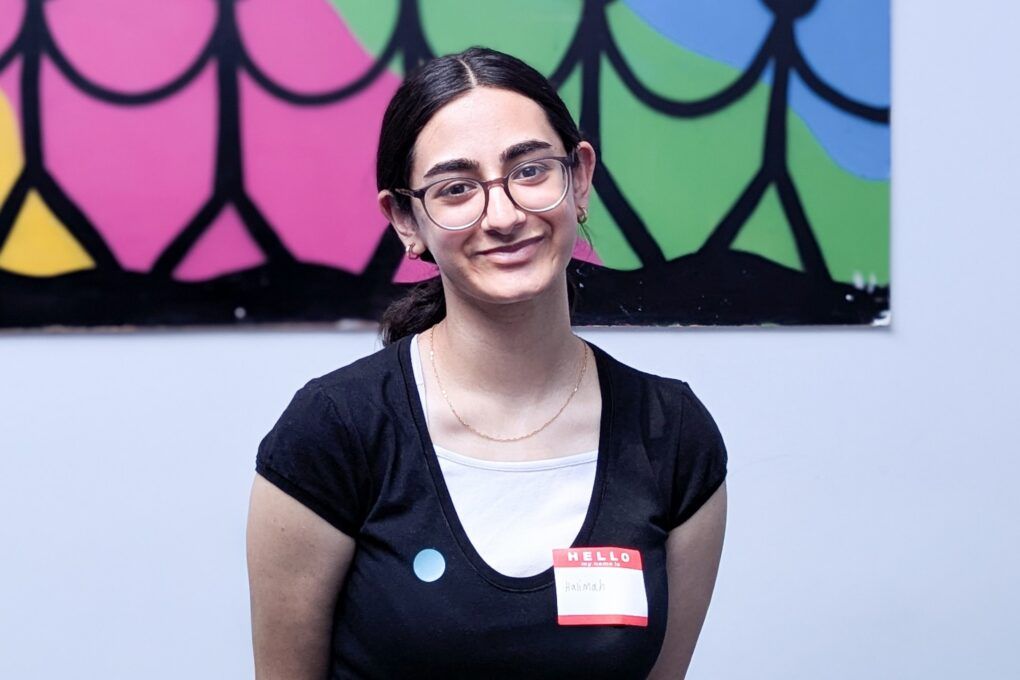
Another participant, 17-year-old Halimah, said the workshop did a good job of introducing young people to the idea of health research.
“They covered a lot of things that some 16 and 17-year-olds might not have known about otherwise,” she said. “I didn’t know anything about Our Future Health before. Now I’d be more than willing to take part if recruitment opened to people my age. I think my friends would too.”
Halimah said she thought researchers would be able to understand certain illnesses better if the programme included people her age.
“Some diseases, like bowel cancer are affecting people at younger ages. So, it would be a real improvement if we could be included in the data as early as possible.”
“It’s human nature to want to help,” said Halimah.
“When you’re given an opportunity to change someone’s life, or even your own, I think most people would want to do it.”
Giving young people a voice
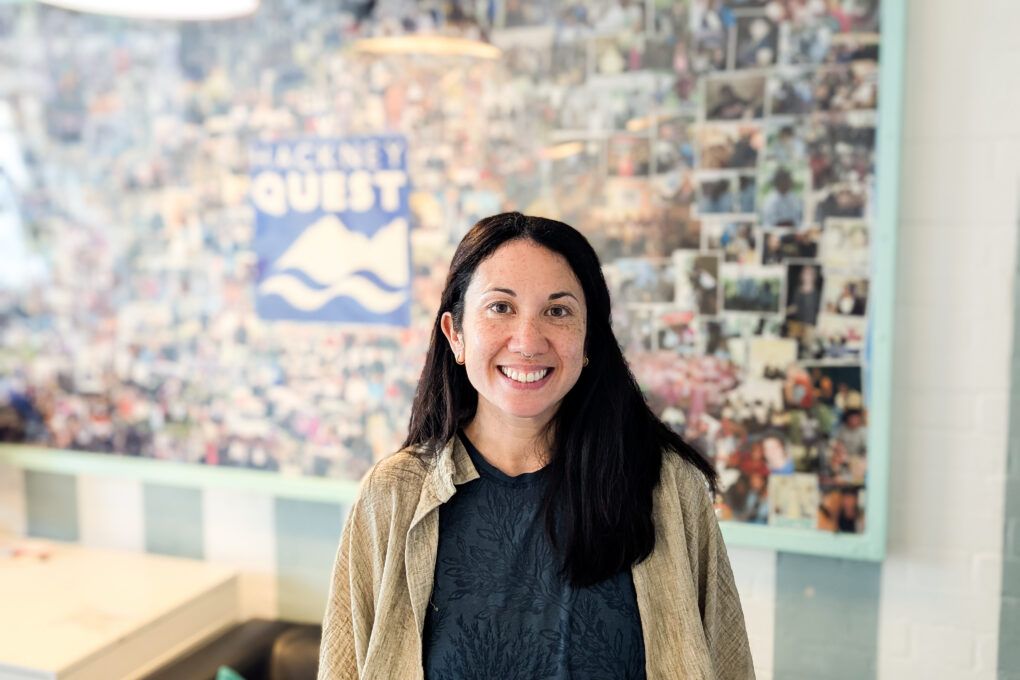
During the Hackney session, our senior product manager Laura, was on-site to answer questions from the group.
She said what stood out most was how thoughtful the young people were about what would make them feel safe, informed, and respected.
“For young people, it’s about going directly to schools and colleges or interacting with them online or through social media; speaking to them where they are and building trust from there. There’s a real desire from young people to contribute to a healthier future, but we need to make sure they can do that safely, confidently, and on terms that make sense to them.
” Taking part at 16 or 17 could help young people see first-hand what health research can do for their communities and give them a voice in shaping what it looks like in the future too.”