‘No-one can explain my epilepsy. If research can find answers for people like me in the future, it would be a weight off my mind’
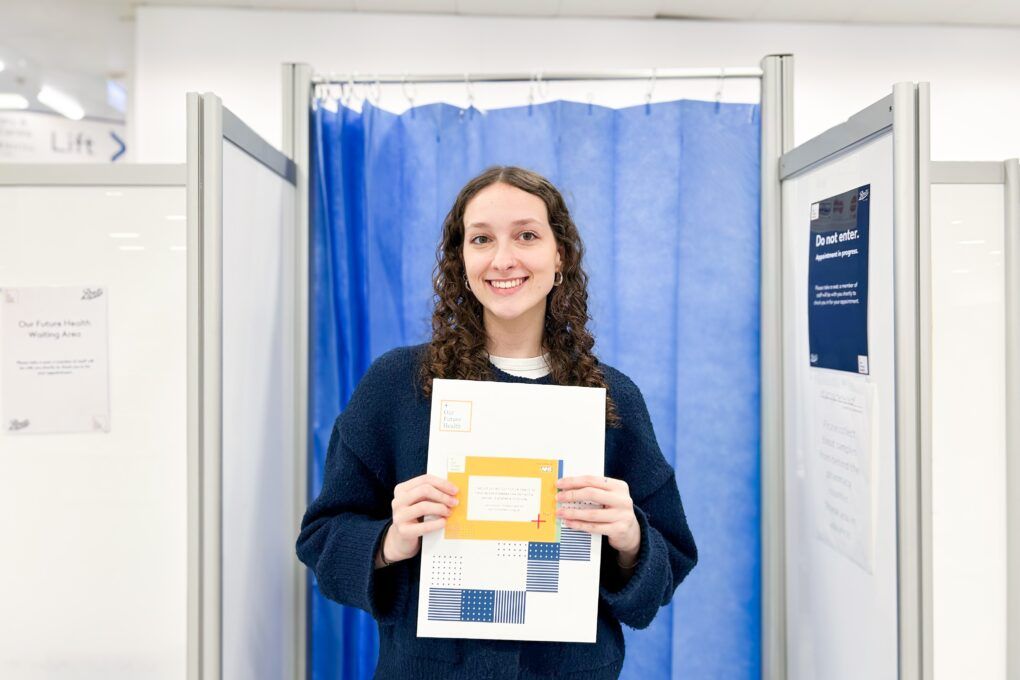
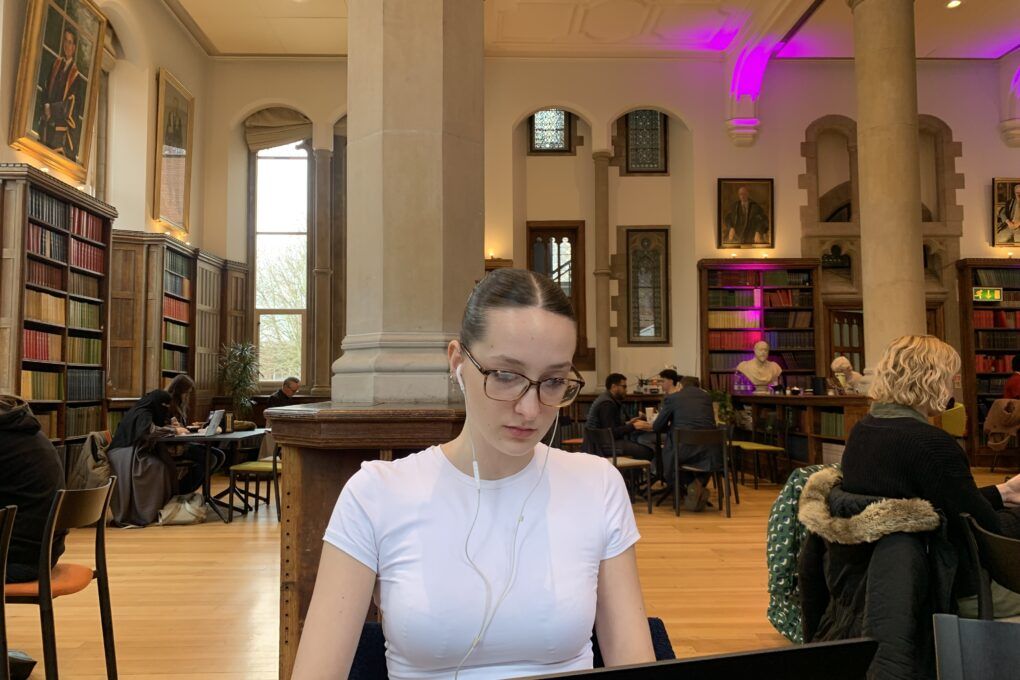
Like others her age, 22-year-old Lotte Oram is focused on mapping out her next move. Currently in the final year of her Politics, Philosophy and Economics BA at the University of Manchester, she’s already secured a spot on a law conversion course starting in the Autumn.
But university life doesn’t look quite the same for Lotte as it does many other students around the country. She was diagnosed with idiopathic epilepsy 3 years ago, and continues to live with the impact today.
“There are so many things I can’t do. I’m often tired because of the medication I take, so I have to be careful about things like going out with friends. The medication also means I can’t do things like donate blood or plasma, so I feel like I can’t contribute to healthcare, which is something that means a lot to me.
“I was so excited to learn about Our Future Health, for that reason. I’m eligible to take part in the programme – and my information might help improve epilepsy healthcare in the future.
“Taking part felt like the perfect opportunity to contribute in a meaningful way to health research and hopefully help others as a result in the years to come.”
An unexpected diagnosis
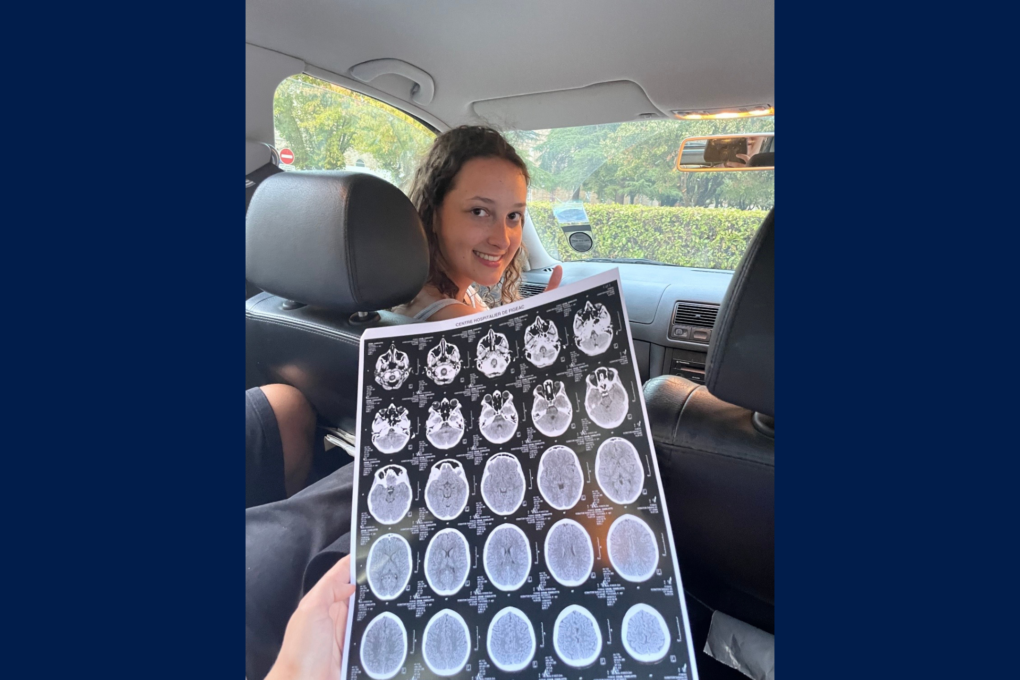
While on holiday in France with family and friends in August 2022, Lotte experienced what she now knows was her first tonic-clonic seizure. It came completely out of the blue.
“I was in the pool, and the next thing I remember is people trying to wake me up,” says Lotte. “I thought I was on a sun lounger and told them to go away because I was sleeping. That’s when my mum told me I’d had a seizure, and my friends had to pull me out of the pool before I drowned.”
Lotte was taken to hospital for blood tests and a CT scan, which showed nothing out of the ordinary. However, between then and February 2023, she had a further 15 seizures.
During this time, Lotte had multiple visits to A&E and was referred for an MRI and neurology. It was 2 months from her first seizure to her first neurology appointment, and 6 months until Lotte’s neurology team found the right combination and dosage of medication to stop the seizures.
Epilepsy is widely considered to be under-researched and underfunded, despite its prevalence. Over 600,000 people are living with epilepsy in the UK today, and anyone can develop the condition, at any age.
Like Lotte’s, about two thirds of epilepsy diagnoses are idiopathic, which means the cause is unknown. When a cause can be identified, it’s structural due to brain changes (such as stroke, tumour or injury), metabolic conditions (affecting how the body processes essential chemicals), or genetic factors.
In some people, inherited genetic changes can lower the brain’s natural ‘seizure threshold’, making seizures more likely – and around one in three people with epilepsy have a family member with the condition.
Advances in genomic medicine are increasingly uncovering the specific gene changes involved and allowing an improved understanding of how genetic and environmental factors work interact to cause different types of epilepsy.
No clear trigger has been found for Lotte’s seizures, despite her undergoing investigations in the UK.
“A common trigger for people with epilepsy is photosensitivity to things like flashing lights, bold contrasting patterns, or flickering sunlight,” says Lotte. “But my seizures were very random. Some people feel them coming on, but I never did. I’d just be living my life and then wake up and have no idea what had happened.”
Medication and side effects
Thankfully, Lotte hasn’t experienced any seizures since February 2023, when her neurology team got her epilepsy under control.
“I’m grateful that my medication can achieve this. There’s a process where once you’ve been seizure-free for 2-3 years, your doctor can help to gradually wean you off medication. That time is approaching for me, but I feel nervous about it. There’s always the risk that the seizures could come back, which I really don’t want to happen.”
Though she’s hesitant to stop taking medication altogether, Lotte has found its side effects difficult to manage, alongside the lasting cognitive impact of the seizures themselves. “My memory isn’t what it was,” she explains. “I feel my social cues can be slightly off and I’ve lost some spatial awareness.”
Lotte also finds that her energy levels are lower than other students her age.
“It affects my day-to-day life. I live in a house share but can’t go out the way others do. Even something simple like going to the pub can be exhausting.
“When I speak to my doctors, they say my fatigue is likely a side effect of the SSRI antidepressants I’ve been prescribed. When I speak to my psychiatrist, they say it’s probably due to my epilepsy medication. I feel stuck in the middle.
“Knowledge and understanding of epilepsy need to improve – that’s where I’m hopeful Our Future Health can help.”
Hope for the future of epilepsy research
A key part of Lotte’s motivation for becoming an Our Future Health volunteer is to help researchers using our data set develop more personalised and precise medicines.
“That would make such a difference,” she says. “It would mean people with conditions like epilepsy wouldn’t have to go through so many ups and downs when trying to find the right medication for them.
“I also hope that future research might help people like me find answers to why this happened in the first place. While I don’t have a family history of epilepsy, both me and my uncle had febrile seizures during infancy. He doesn’t have epilepsy now, but I do wonder if there’s some kind of link there.
“Even if I eventually come off my medication and never have another seizure again, I’ll still worry that it could return later in life. If health research could reduce that uncertainty, it would be a huge weight off my mind.
“To anyone thinking about taking part in Our Future Health, I’d say it’s an important thing to do. You never know how many lives you could improve or even save by sharing some information and a small blood sample.
“The more people who sign up and are a part of this, the better. I think it’s really as simple as that.”
Epilepsy Research Institute is an affiliate charity of Our Future Health. Visit epilepsy-institute.org.uk to learn more about epilepsy and how they’re promoting research into the condition.

Let’s prevent disease together
By volunteering for Our Future Health, you can help health researchers discover new ways to prevent, detect and treat common conditions such as diabetes, cancer, heart disease, stroke and Alzheimer’s.