‘It’s super convenient for students’: what happened when we put clinics on campus
Between lectures, deadlines and part-time jobs, you might not expect joining a health research programme to be part of student life. But earlier this year, students from the University of Leicester, Loughborough University and the University of Nottingham were able to do just that, as we set up our pop-up clinics on campuses.
The clinics were part of a trial to find new ways to help young people learn more about Our Future Health and join the programme. Historically, people aged 18-29 have been under-represented in health research, which means discoveries haven’t always been tailored for them.
“We need more people aged 18–29 to join our programme so that future discoveries benefit everyone,” explains Anika Ladva, Head of Community Engagement at Our Future Health. “As part of our commitment to building a diverse group of volunteers, we wanted to explore whether bringing our clinics directly onto university campuses could help us better reach this age group.”
In total, our clinics were open for 9 days across the 3 universities, with 99% of available appointments booked. The clinics helped 457 people to take part in Our Future Health, of whom 90% were under 30.
‘It was cool to get my blood pressure measured’
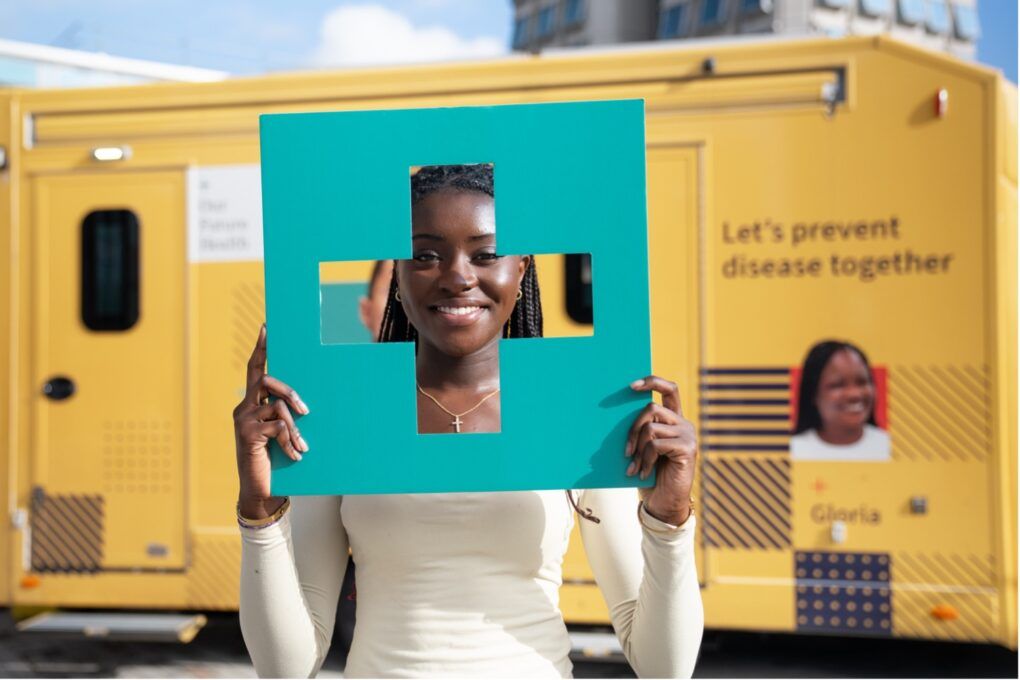
18-year-old Zuriel, a biomedical science student from the University of Leicester, took part after coming across our clinic on campus. “We’d just learned about blood pressure testing in lectures, so it was cool to get my own blood pressure measured,” she explained.
“I think it’s a good idea to have Our Future Health clinics on university campuses. If students are passing by, they’re much more likely to stop and have the time to join. I ended up taking part quite impromptu today.”
Her words were echoed by 21-year-old Susan, a chemical engineering student at the University of Loughborough. “The campus clinics are a really effective way of reaching people. Students have the time to spend an hour finding out about their health. One of my friends messaged about the programme in our group chat, and now 5 of my friends have joined!”
Susan said she was interested in learning her height and weight measurements. “I also liked that, in the future, you could have the chance to find out more about your risk of disease.
“I’d like to see more research into conditions that affect the Black community, as well as areas of women’s health, like endometriosis, that don’t seem to be as well researched. I think more people are affected by these conditions than we realise, so it would be helpful to have a better understanding of them.”
‘You can reach people from all sorts of cultures’
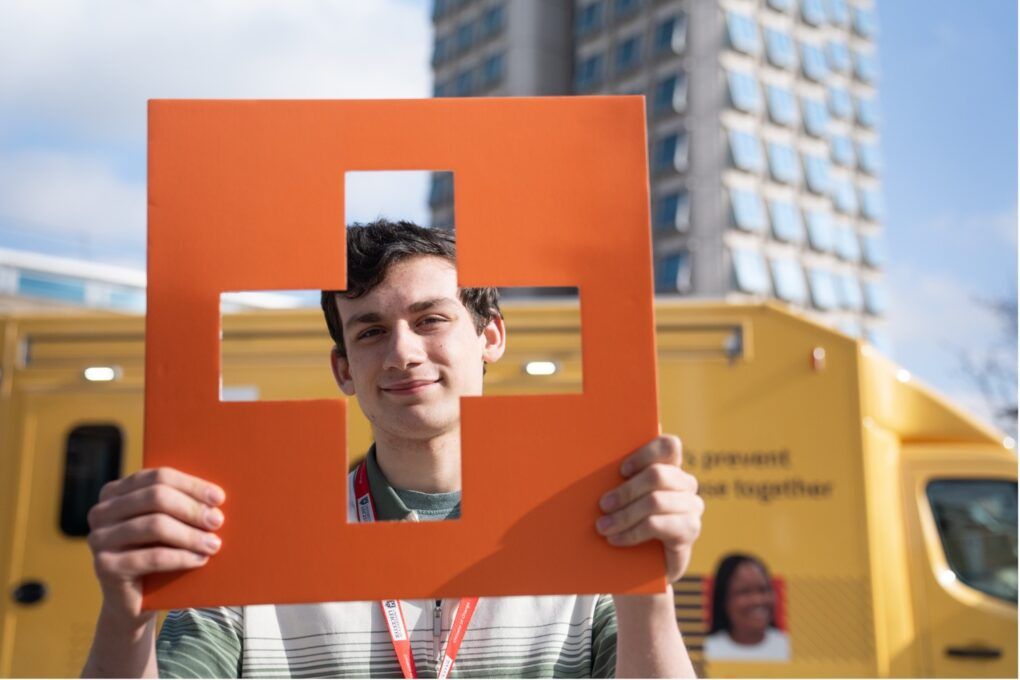
18-year-old Mathéo, a mathematics student at the University of Leicester, was keen to join the programme after seeing the impact of health conditions on his family. “I have family members who suffer from POTS (Postural Orthostatic Tachycardia Syndrome),” he said. “They’re on medication that lessens the impact, but there’s not much that can substantially help them right now. I hope that more research can change this – and one day, lead to a cure.
“Joining Our Future Health felt like I was contributing to a good cause, as the research could help find new ways to prevent diseases. I think it’s great to have clinics at universities because you can reach a wide range of people from all sorts of cultures. It’s super convenient for students to have a clinic on campus too.
“I’d really recommend taking part in the programme. Maybe it’s your contribution that health researchers need to achieve a new breakthrough.”
For Anika, Mathéo’s enthusiasm is representative of the response we saw on all 3 university campuses. “Across the 3 universities we’ve visited so far, we’ve been struck by the engagement of students,” says Anika. “Just as importantly, these clinics have attracted a highly diverse group of participants.
“It’s been inspiring to see, and reinforces the value of meeting people where they are.”
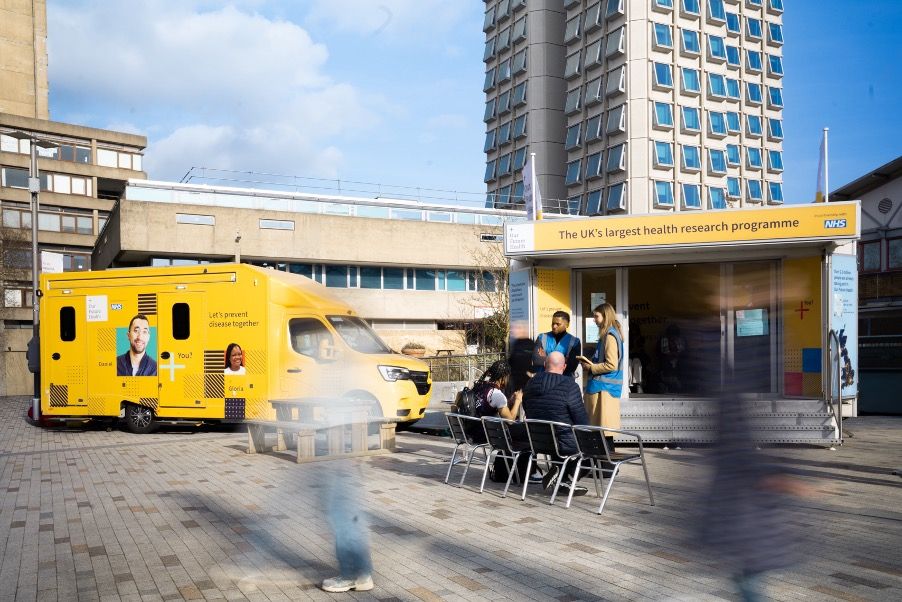
Our campus clinics are the latest in a series of projects to help people from under-represented communities to join the UK’s largest health research programme. You can read about some of our other projects by reading these stories:
Behind the scenes at a Community Champions event
Pita, pakoras, and disease prevention – Our Future Health at the World Halal Food Festival