‘I was only 28 and ran marathons. I kept being told I was too young for pancreatic cancer’
Everyone has a moment they can replay in slow-motion. Mine was being told at 28 I had advanced pancreatic cancer and less than 18 months to live.
If it had been a film, there’d have been an autocue for me to cry or bury my head in my hands. But as my girlfriend Anna and my mum sobbed hysterically, all I felt was relief.
If that sounds strange, let me explain. For 2 years, I’d battled to get answers. Now at least I knew what was wrong.
After months of agonising pain and endless hospital admissions, my body was fading. I’d lost 15kg and was surviving on ice lollies. They were the only food I could keep down.
Now a PET scan and a biopsy had confirmed the worst. So I barely reacted to the consultant’s words. “There are treatment options,” he said. “But long-term survival is unlikely.”
‘I was sure there was nothing seriously wrong’
My symptoms began in early 2020 when I started waking up with a tightening across my stomach. At first, doctors thought it was a gluten intolerance or even irritable bowel syndrome.
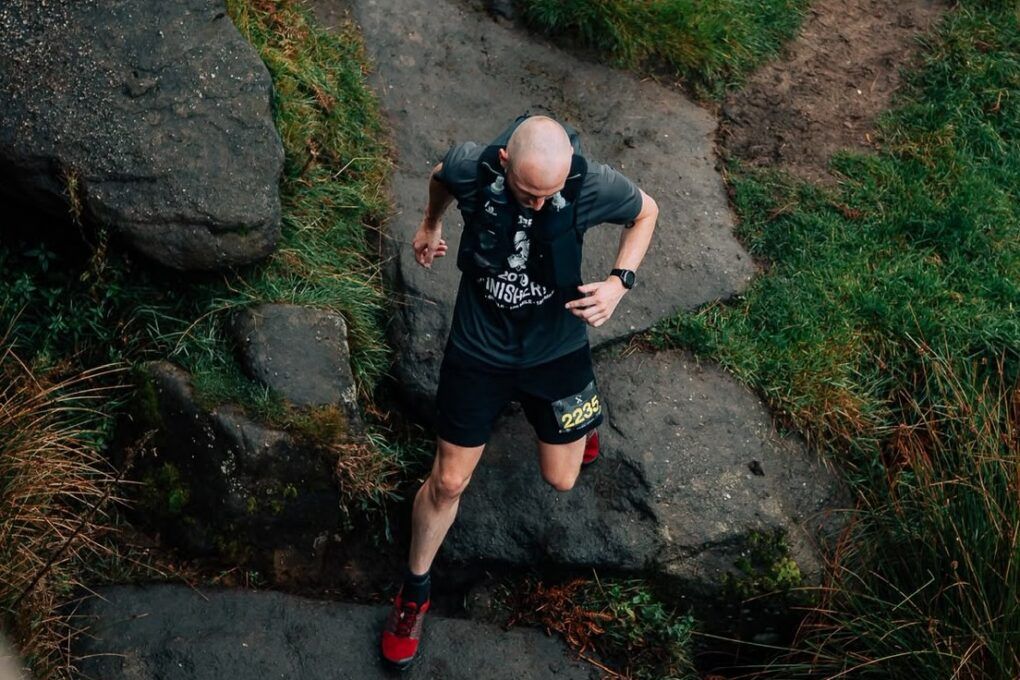
I was young and competing in ultramarathons, running 6 days a week. I was sure there was nothing seriously wrong.
But as the discomfort edged into a distinctive pain, I started having one test after another but was assured there was nothing to worry about.
Then one evening in October 2021, I was in agony after eating. Anna rushed me to our local A&E department. Doctors discovered my liver functioning was extremely poor.
Over a month of endless investigations, I was first told I had pancreatitis (a swelling of the pancreas). My clinical team next suspected it was a cyst on my pancreas, and then, they mentioned a soft cell cancer.
Throughout my medical journey, I was told I was too young and fit for pancreatic cancer. The average age of diagnosis is 72.
Life with cancer
After my diagnosis, the first thing I did was to ask Anna to marry me. Sat there in the sanitised hospital room, there were no flowers or music. But we both knew what we wanted.
I then moved to my parent’s home in Cheshire to begin a 7-month course of chemo.
My cancer was stage 3, and although it had reached my blood vessels and lymph nodes, it hadn’t spread further. But the tumour was wrapped around a blood vessel.
The tiny hope was that if chemo was successful, they might be able to remove it. But they needed to shrink the tumour away from the blood vessel to make that possible.
I knew the odds weren’t stacked in my favour. Pancreatic cancer is a brutal disease and has the lowest 5-year survival rate of any common cancer. Less than a quarter of people are still alive a year after diagnosis.
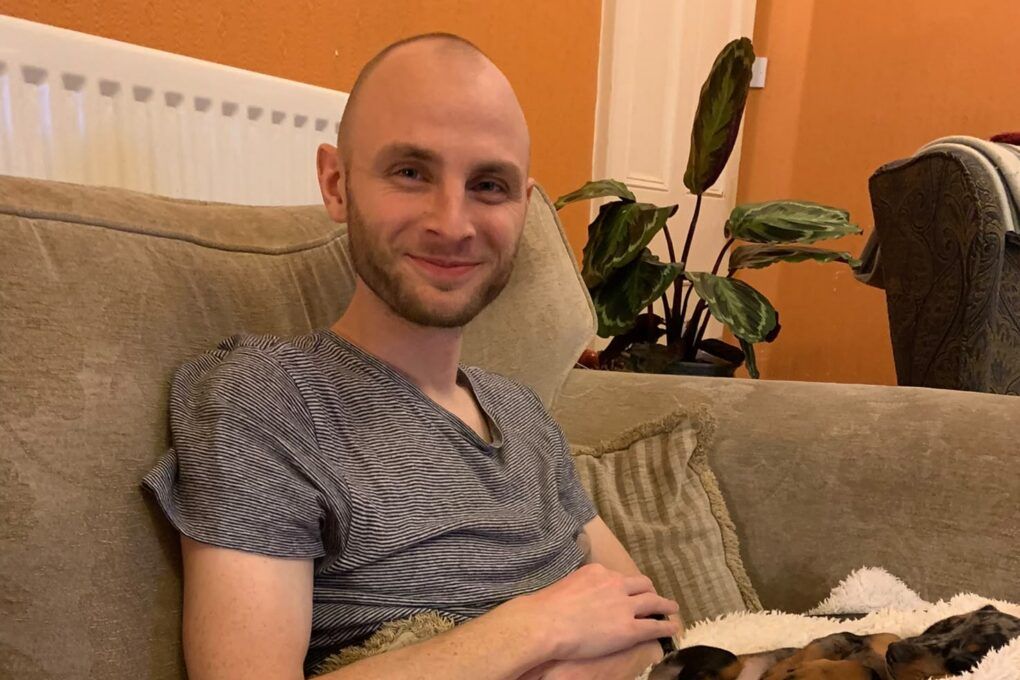
Even so, I tried to find positivity beyond my prognosis. I kept busy planning my wedding, and my 5 siblings bought me a gorgeous little dachshund called Lucy to keep me company during the low times.
I come from a family of fitness fanatics, and I didn’t want to just lie in bed. So, I forced myself to keep running 3 times a week, raising £8K for cancer charities.
Surgery saved my life
When I was told the chemo hadn’t shrunk the tumour away from the vital blood vessels, my biggest fear wasn’t death, but how terrible my life might get dealing with such severe illness.
Because of my age and healthy lifestyle, the doctors said they wouldn’t give up on me, and I was referred to a surgical team.
“We’ve got a less than 1% chance of curing you,” my surgeon told me bluntly.
He wanted to try an experimental procedure to buy me more time. I didn’t hesitate to give it a go.
‘It was so traumatic’
When I came round after 14 hours in surgery, the pain was like nothing I’d ever experienced.
What I didn’t know then was that the surgical team had managed to remove the cancer completely, but in doing so, they’d taken out my pancreas, three-fifths of my large intestine, a bit of my stomach, a bit of liver, my gallbladder, and my spleen.
I’d needed 3 blood transfusions during the surgery. It took 4 days to bring the pain under control.
“They got the cancer out,” Anna kept telling me. “You’re going to be OK.”
But it was so traumatic, everything felt so messed up.
Mentally, I spiralled. The hospital had to get me under the psych team, as I kept having terrifying dreams, where I wasn’t sure whether I was alive or dead. On one occasion, I was wrestled to the ground as I thought the nurses were trying to kill me.
It’s something I can’t really explain, but when you’re told you’re going to live after preparing to die, it’s too disorientating to process.
Recovery and reflection
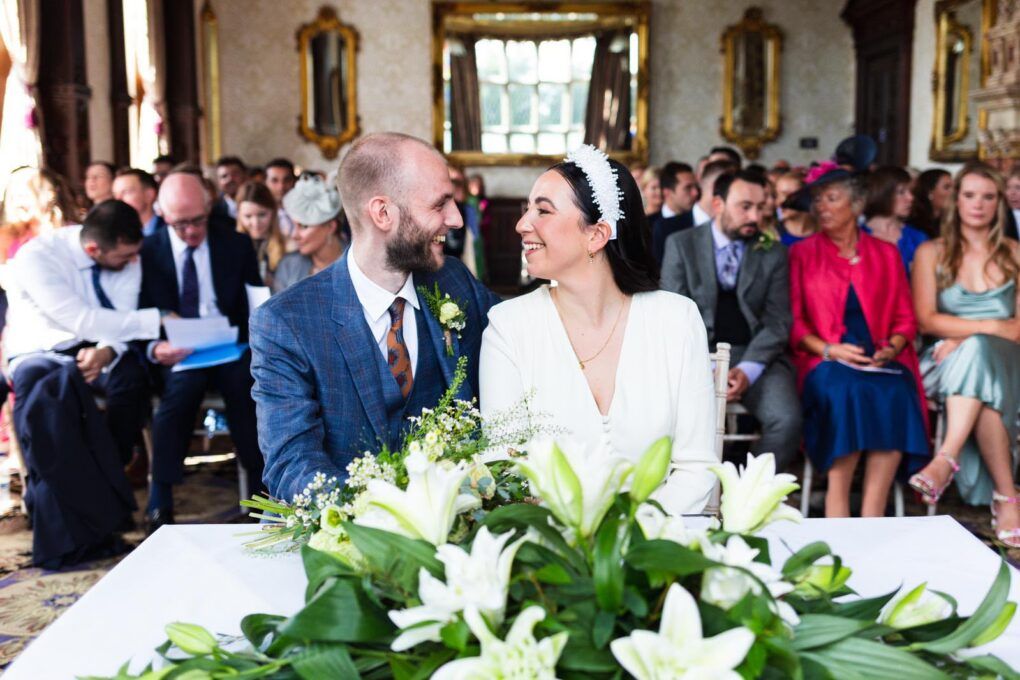
Now, almost 4 years on, life feels good. Anna and I are married. I’m back at work and I’m running again.
My scans are clear from cancer, although nobody knows what the future holds.
I do know that I’m the exception, not the rule. The outlook for most people with pancreatic cancer is bleak.
A couple of years ago, my uncle was diagnosed with pancreatic cancer. He died within 5 weeks of his diagnosis. I’ve since discovered that a mutation in the BRCA2 gene runs in my family, making carriers more vulnerable to certain cancers.
It’s clear that we need to learn more about the drivers of killer diseases and to protect those most at risk.
That’s why I’ve signed up to Our Future Health. I want to help health researchers come up with new treatments and cures.
If sharing my health information can save other people from going through the nightmare I’ve experienced, then I’m proud to play my part.
Pancreatic Cancer UK is an affiliate charity of Our Future Health. For more information on the signs of the disease, visit www.pancreaticcancer.org.uk