‘I thought having thyroid cancer was the worst thing to ever happen, but losing Mum suddenly to a stroke was so much worse’
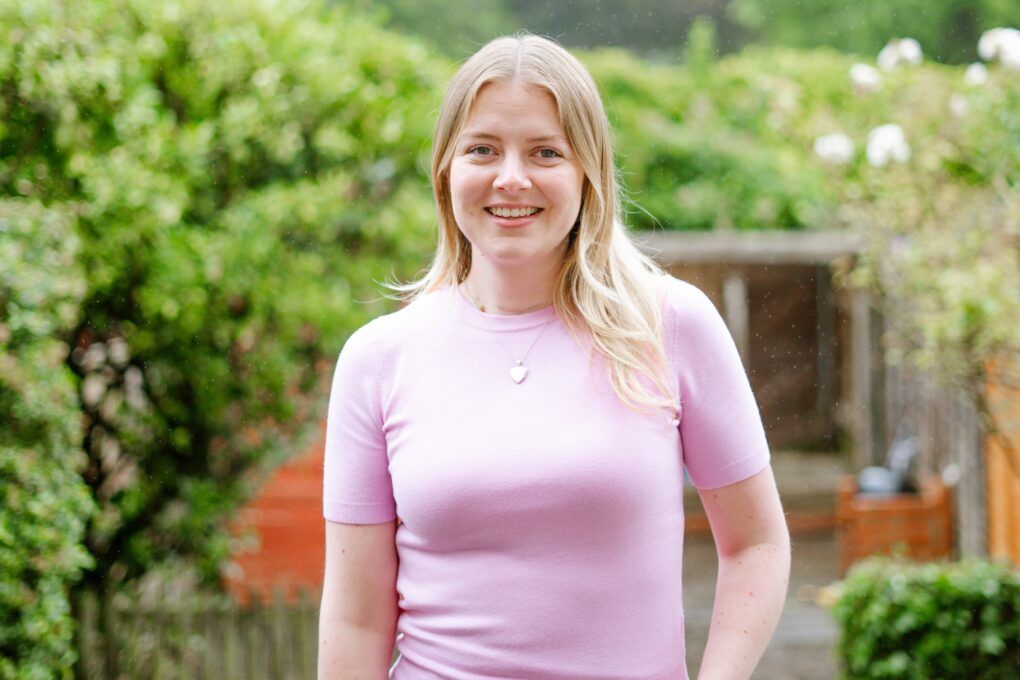
When Karen Fraser, 32, looks back on her childhood, the first thing she feels is a warm nostalgia, and the second is a muted fear.
“My two sisters were well into their teens when I came along, and by then, the adults in my family were already battling with their health,” said Karen, who grew up in Stirling. “Watching them struggle scared me.”
When Karen was 7, her maternal grandfather had a stroke, spending the last 10 years of his life in a care home, unable to speak. Her beloved grandmother died from dementia some years later.
Then at 14, Karen woke up one morning to the sound of an ambulance siren. Her dad James, a butcher, had had a heart attack. Although he made a full recovery, a couple of years later, Karen’s mum Christine, a baker, developed hypothyroidism (an underactive thyroid) and type 2 diabetes.
“My parents were from tough working-class families, and never gave much thought to their health,” said Karen. “But I hated them taking so many tablets, and it made me determined to look after myself.”
‘I knew something was seriously wrong’
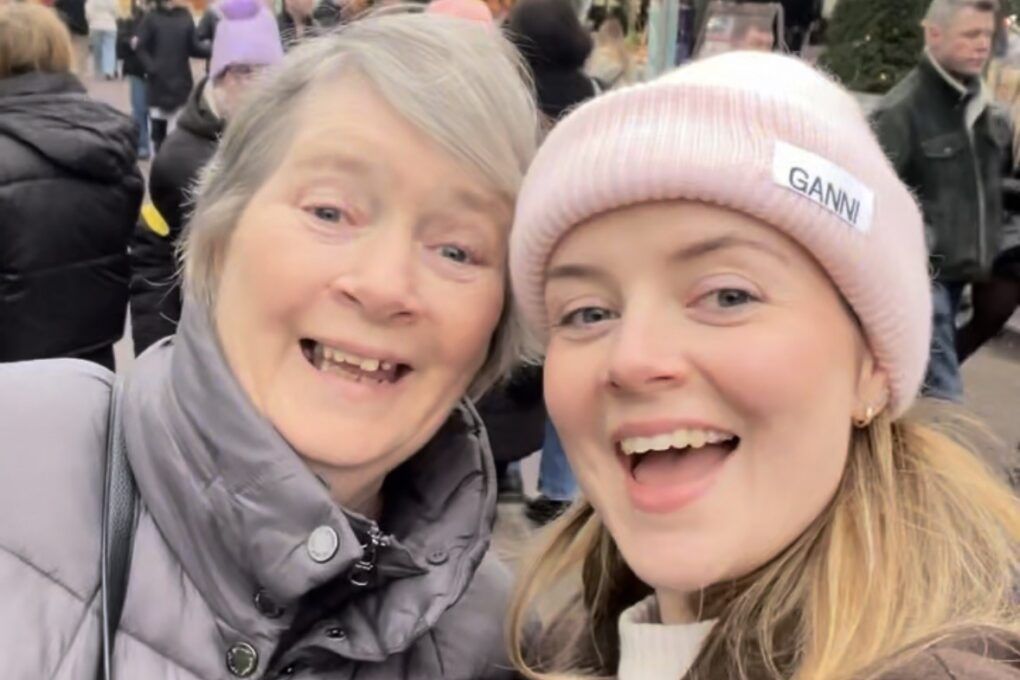
When she went to university in Glasgow, Karen changed her diet and started yoga and Pilates. In her 20s, she moved to London to work in fashion, where her life became a carousel of festivals, fitness classes, and shows.
She was later diagnosed with Hashimoto thyroiditis, an autoimmune condition that causes the immune system to attack the thyroid and she developed a lump in her neck. By 2022, the lump was bigger and she was exhausted.
“My voice became hoarse, and my Adam’s Apple was so prominent that when I was in bed, I could feel the pressure on my neck,” said Karen. “I knew something was seriously wrong.”
Her instincts were spot-on. After repeated visits to the doctor over the next 2 years, a blood test revealed her autoimmune markers had risen tenfold. She was referred to the thyroid cancer referral service at London’s University College Hospital (UCLH) where she had an ultrasound and a biopsy.
Karen was told there was a 25% chance the nodules on her thyroid were cancerous and it might be safer to remove her thyroid over two separate surgeries. She would need medication for the rest of her life.
Cancer confirmed
At her follow-up, a couple of months later in August, 2024, she optimistically assumed the worst was over, so the consultant’s words: ‘We found some malignancy,’ were a shock.
“My thoughts tumbled over each other,” she recalls. “I was only 30, how could I have cancer?”
Karen was diagnosed with papillary thyroid cancer – one of the most common and treatable forms of the disease. The cancer had spread to her blood vessels and lymph nodes, and she needed further treatment.
Thyroid cancer accounts for 1% of all cancer diagnoses, and the prognosis after a diagnosis is usually positive. According to The British Thyroid Foundation, a painless lump or swelling in the front, lower neck, a hoarse voice, and difficulty breathing or swallowing are all possible symptoms.
Telling her family was difficult. “It took me hours to pluck up the courage to call,” she said. “But Mum instantly calmed me down, and we agreed I’d approach my treatment one step at a time.”
This no-nonsense approach helped Karen through radioactive iodine treatment to kill off any further cancer cells.
“It was like something out of a sci-fi film,” she said. “As the iodine made me radioactive, I was locked in a room for 3 days, with food passed to me through a hatch. Before I left, I had to have a full body scan which I found terrifying, but I could hear Mum’s voice telling me it was just another step towards recovery.”
Healing then heartache
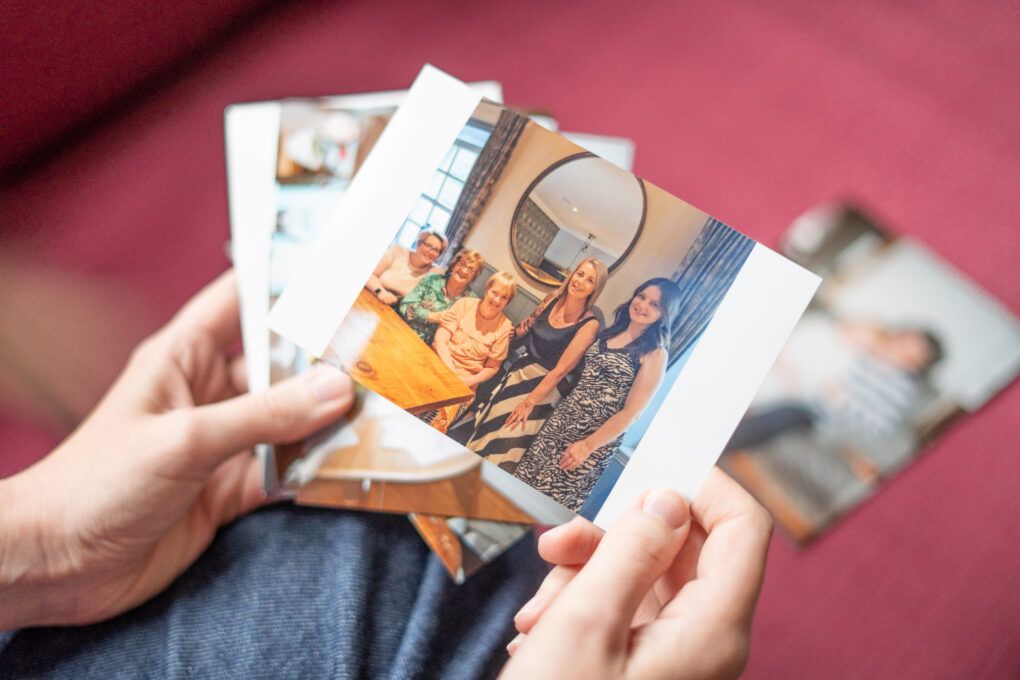
Finally, in February this year, after another ultrasound, Karen was told there was no sign of cancer. But her joy was short-lived, as just six weeks later, her mum, Christine had a massive stroke one night.
“When I saw her in hospital, I was shocked,” admits Karen. “One eye had closed, and she was drooping, half-conscious, on the bed. She looked nothing like my practical, calm, and capable mum.”
Over the next 10 days Christine’s condition deteriorated. When it was clear she wasn’t going to get better, her medical team put her on palliative care.
“We knew we did not want her to just survive as she was but saying goodbye was heartbreaking,” said Karen. “I thought having thyroid cancer was the worst thing to ever happen, but losing Mum suddenly to a stroke was so much worse.”
We need better research
When Karen returned to London, she was tearfully sorting through her post, when she noticed a letter from Our Future Health.
As she knows from her own research, thyroid conditions can be more common in some families, and you’re at a higher risk of having a stroke, which is one of the leading causes of death in the UK, if a close relative has had one too.
Our Future Health’s work struck a chord with Karen.
“Getting that letter was like a silver lining,” she said. “If my family health history could help researchers to better understand and treat illnesses like cancer, stroke, and heart disease, then I thought I could turn my experience and grief into something positive.”
Karen signed up straightway and made an appointment at our Wimbledon clinic.
“Taking part was so easy,” she said. “It was such a small amount of my time – but it’s great to know the results could make a huge difference to future science.
“I know Mum would be proud.”
The British Thyroid Foundation is an affiliate charity of Our Future Health. To learn more about thyroid conditions and treatments, visit btf-thyroid.org