How your data is revealing the hidden burden of high blood pressure
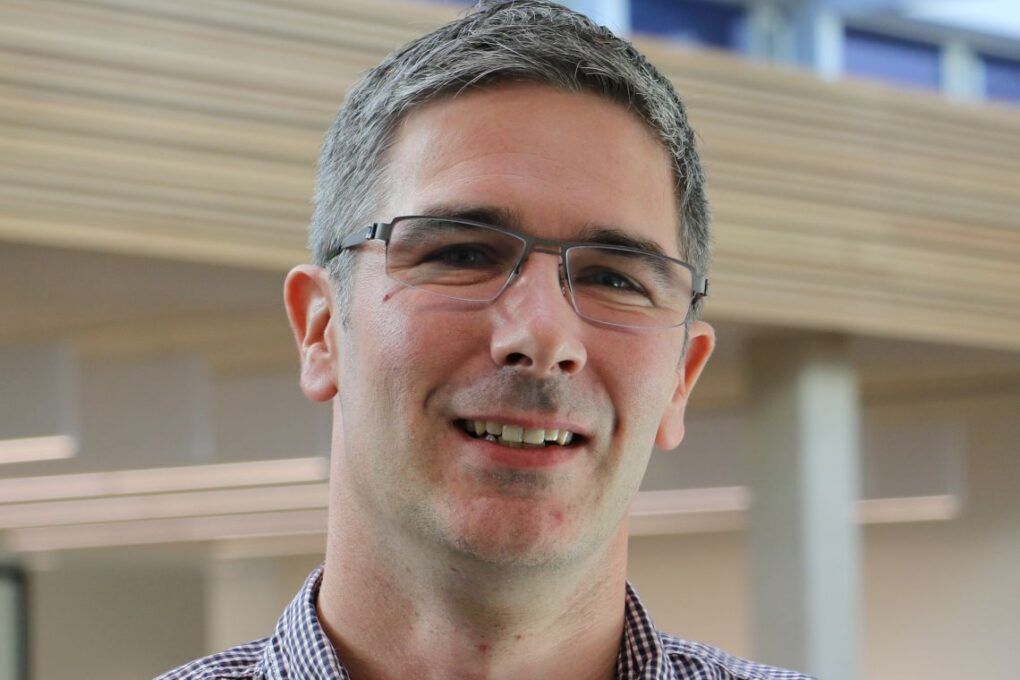
I’d like to think I have an unusual perspective on the impact Our Future Health can bring.
For the past 6 years, I’ve worked part-time on the programme, helping to make sure it brings benefits to people across the country.
But I have other hats. I’ve continued to work as a GP, working out-of-hours in Wiltshire and Gloucestershire. And I’ve also been part of a research team at Oxford Population Health using Our Future Health’s data.
Our study analysed blood pressure readings from around 1.4 million Our Future Health participants. This week, we’re publishing our findings in a peer-reviewed journal – and I believe they can lead to better healthcare.
What we found in the data
Using the World Health Organization’s criteria, we assessed how many participants had hypertension (the medical term for high blood pressure) when measured at their appointments. We then compared this with data that participants share in their health and lifestyle questionnaire to reveal how many already had a diagnosis and how many were undiagnosed.
We also looked at people already taking medication for high blood pressure, to see how many still had blood pressure above the recommended threshold.
The findings were stark. Over one-third (37%) of participants had hypertension – including one in six people aged 18-39. Yet the majority (59%) had never received a diagnosis and were not on blood pressure-lowering medication.
Among participants taking medication for high blood pressure, half (50%) still had elevated blood pressure.
There’s a caveat here. When we diagnose high blood pressure in clinical practice, we take measurements on several occasions, sometimes using a monitor worn for 24 hours. Our study used measurements taken at a single appointment, so we cannot assume that every participant whose reading crossed our threshold would receive a clinical diagnosis.
Even allowing for that limitation, the scale of undetected or unmanaged high blood pressure deserves attention.
What the findings mean
High blood pressure matters because it damages blood vessels and puts strain on our heart and other organs. It’s often symptomless, but over time, it can increase the risk of serious conditions, including heart disease, stroke, and vascular dementia. It’s known as a ‘silent killer’.
That’s why GPs like me are so keen to get ahead of high blood pressure. If we spot it early, we can take action to help our patients avoid serious long-term consequences.
It’s also why my colleague, Wenyu Liu, the first author on our study, says our findings show that “the current approach to detecting high blood pressure is not fit for purpose”. Roughly 1 in 5 participants were living with high blood pressure that had not previously been diagnosed or treated. Clearly, we need to find ways to improve healthcare for the condition.
The findings raise a question about whether we could do more to identify high blood pressure earlier in life. Around 1 in 6 participants aged 18 to 39 had high blood pressure. Yet people in this age group are not included in the NHS Health Check programme, which screens for high blood pressure (amongst other things) and begins at the age of 40.
Participants providing a unique insight
Our research isn’t designed to dictate healthcare policy. Our job is to lay out the evidence as clearly as we can, to help inform the conversation.
We chose to run our analysis on Our Future Health’s data because it provides more evidence than we’ve ever had access to before. Alongside blood pressure readings for 1.4m people, it also provides information about genetics and lifestyle, and links up with NHS hospital records.
In that sense, our analysis is the tip of the iceberg. Now we know the extent of high blood pressure among Our Future Health participants, we can search for new patterns. For example, researchers can begin to explore why some people are more likely to develop it, why it remains undiagnosed in some groups, and why treatment works better for some people than others.
As Our Future Health becomes increasingly representative of the UK population, researchers can study these questions across different ethnicities and income levels. New discoveries can therefore help people who have been historically under-represented in health research.
All that can only happen thanks to the people who are taking part in Our Future Health. Behind every data point is a person who chose to contribute to health research. They’re helping us build a clearer picture of high blood pressure – who is affected, who may be missed, and where we have opportunities to prevent serious disease earlier.