How our university pop-ups bring local communities together
As part of our mission to bring our programme directly to young people, we’ve had a mobile clinic at the University of Oxford this week. But it hasn’t just been undergraduates joining up.
Over the last year, we’ve held walk-in appointments at various universities. The aim is to make it easier for everyone to get involved in health research.
As we chatted to students in Oxford, we also took the chance to talk to participants from the wider public, to discuss their motivations for joining.
‘We need more research into rare conditions’
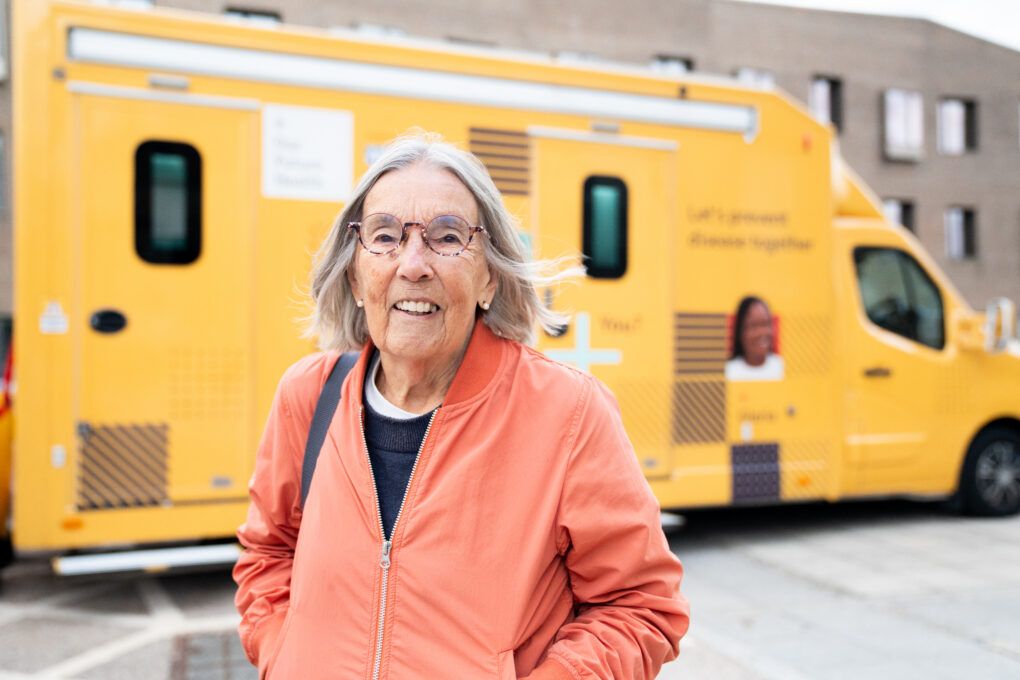
Elizabeth, who is almost 92, dropped into the clinic after a weight training session at a nearby gym.
She said: “I saw the yellow van and was curious to see what it was all about. When I realised Our Future Health is a health research initiative that works with the NHS, I was keen to give it a whirl.
“My husband was a clinician, and I’m very interested in health. The fact I could just walk in without making an appointment made it so easy.”
Elizabeth doesn’t have health issues herself – something she attributes to good genes, a great diet, exercise and being too busy to sit at home glued to a screen.
Nevertheless, her family has been affected by illness, which was why she was so keen to sign up.
She explained her grandson has Guillain-Barré syndrome (GBS), a rare autoimmune condition that had left him very ill, and needing hospital treatment.
“That’s why I think we need more research into rare conditions as they can have such an impact.”
‘Cancer is the big one’
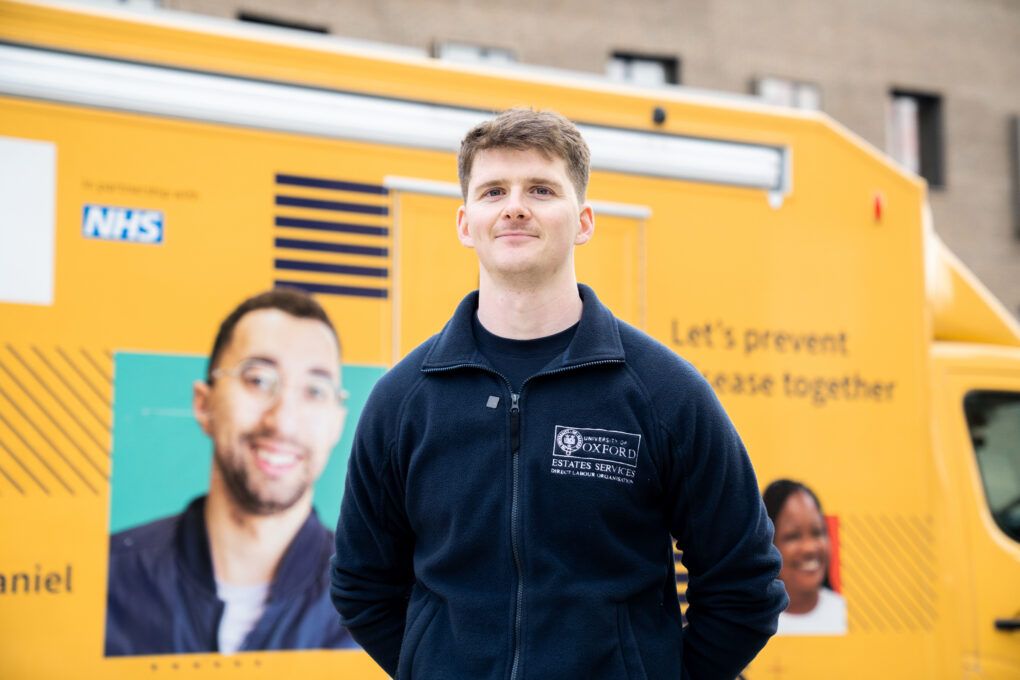
For Arthur, 28, who works for the university’s estates department, the motivation for taking part was purely altruistic.
“I wanted to do my bit,” he said. “Various conditions have affected my family over the years, but cancer is the big one for me.
“If researchers could find ways to better treat or prevent cancer in the future, that would be amazing.”
“I joined up with colleagues, and we just had to scan in a QR code, answering a health questionnaire, and having some blood taken. It really was that instant and easy.”
Taking part in Our Future Health also involves filling in a consent form which is quick and easy to complete.
‘Heart health is a priority for me’
Zarah, 22, a sales and marketing executive who is working on a recruitment project on campus, said she’d joined Our Future Health because she wants young people and ethnic minorities to be properly represented in health research.
She said: “I am friends with a few medical students, and so naturally, we discuss our health, and it’s something young people are concerned about.
“I’m healthy myself but heart health is an area where I’d like to see much more research. Cardiovascular disease is seriously affecting my family right now, and it’s such a common problem. We need to know more.”
Having watched several students sign up at the clinic, Zarah said she was struck by the fact that other people had turned up to get involved too.
“It’s brilliant to see young people like me playing their part in a project like this which has the potential to impact everyone’s health in the future,” she said.
“But I like the fact that a clinic on campus somewhere like Oxford doesn’t just pull in one demographic. People of all ages and social classes seem to be getting involved and that’s got to be good for health research.”
‘We want to represent everyone in the UK’
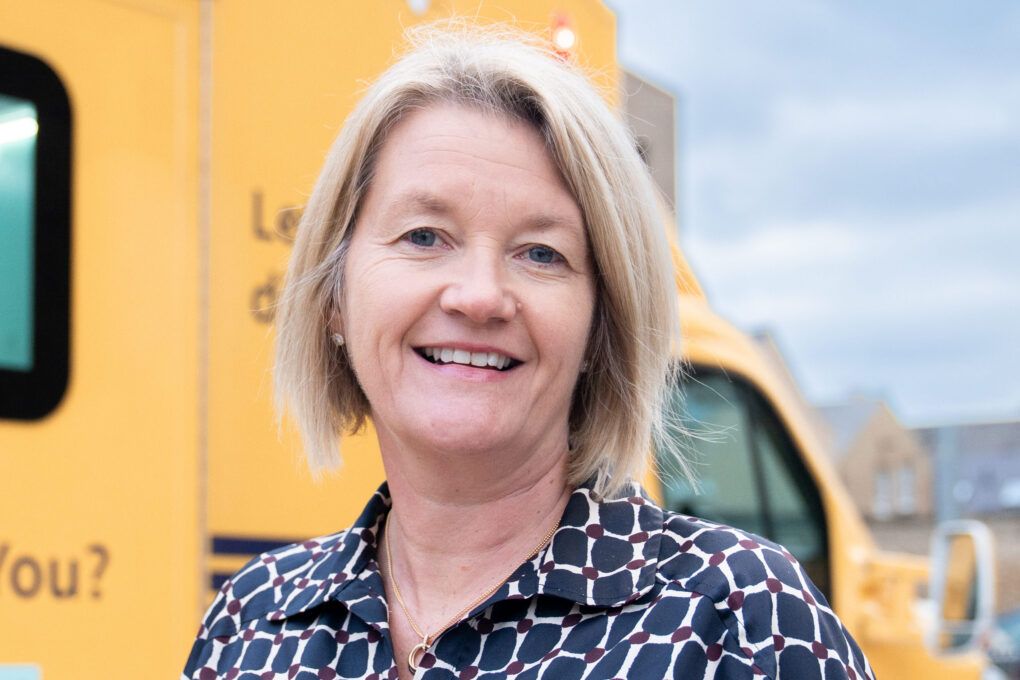
It’s a sentiment echoed by Lucy Mackillop, Our Future Health’s Chief Health Officer and an associate professor at the Nuffield Department of Women’s and Reproductive Health at the University of Oxford.
Lucy, who also practises as a consultant obstetric physician at the John Radcliffe Hospital in Oxford, said: “The bottom line is we want to represent everyone in the UK, so getting representation across geography, age, heritage, ancestry and socioeconomic background is one of our key objectives.”
Typically, a walk-in clinic like the one on campus at Oxford will result in around 50 new sign-ups a day, and many of these will come from students.
“In the past, research has focused on disease which has meant that younger people have been rather excluded,” explained Lucy. “Holding pop-up clinics at universities gives us a chance to change this.
“After all, our mission is to get ahead of disease, so we can prevent it before it starts. Having younger participants within our research environment who may be at risk of illness but don’t yet have symptoms will help us to fulfil that agenda.
“But we really do need every sort of person to make our programme as impactful as possible,” she said. “That’s why it’s wonderful to see all sorts of people signing up in Oxford.”